Understanding Veteran Mental Health: PTSD, Depression, and Substance Use
-
by
admin
Mental health challenges are among the most pressing issues facing veterans today. Post-traumatic stress, depression, anxiety, and substance use disorders recur across generations of service members, shaping not only individual lives but also families, communities, and the broader healthcare system. For organizations like Caring Souls for Veterans, understanding these conditions—and how they intersect—is essential to designing effective support programs, peer networks, and outreach efforts.
This article explores:
- The scope of veteran mental health needs
- Common conditions like PTSD, depression, and substance use
- Why these conditions often go untreated
- How nonprofits and community organizations can respond with practical, compassionate support
The Scale of Veteran Mental Health Needs
According to recent research, approximately 41% of veterans are in need of mental health care programs every year. This figure alone suggests that mental health services are not a niche concern but a core component of any veteran support strategy.
Among veterans using VA care, an estimated 23% have had post-traumatic stress (PTS) at some point in their lives. Some studies suggest that rates of PTS can be up to 15 times higher among veterans than civilians, depending on the population and type of trauma experienced. These numbers reflect the psychological toll of:
- Combat exposure
- Military sexual trauma
- High-intensity training and operational stress
- Life-threatening injuries and loss of comrades
Mental health needs do not exist in isolation. They often overlap with:
- Chronic physical health conditions
- Traumatic brain injury (TBI)
- Homelessness or housing instability
- Employment challenges and financial stress
Understanding this overlap is critical. A veteran struggling with depression may also be dealing with pain from a service-related injury, difficulty finding meaningful work, and a sense of isolation after leaving the military structure.
Common Mental Health Conditions in Veterans
While every veteran’s experience is unique, several conditions appear repeatedly in research and clinical practice.
- Post-Traumatic Stress (PTS/PTSD)
Post-traumatic stress symptoms can include:
- Recurrent, distressing memories or nightmares about traumatic events
- Avoidance of places, people, or thoughts that remind the veteran of the trauma
- Heightened startle response, irritability, or difficulty sleeping
- Feelings of detachment, guilt, or hopelessness
PTSD is strongly linked to:
- Combat experiences
- Exposure to violent or life-threatening events
- Military sexual trauma
- Serious accidents or injuries during service
Research shows that veterans with PTSD are more likely to also experience depression, anxiety, and substance use disorders. These conditions can create a cycle where one worsens the others, making recovery more complex.
- Depression
Veterans are five times more likely to experience major depression than civilians. Among veterans with traumatic brain injury (TBI), 3 in 10 also have depression. Depression in veterans may include:
- Persistent sadness, emptiness, or hopelessness
- Loss of interest in activities once enjoyed
- Changes in sleep, appetite, or energy levels
- Difficulty concentrating or making decisions
- Thoughts of self-harm or suicide
Depression often goes unrecognized or is dismissed as “just stress” or “a bad phase.” For many veterans, there is also stigma around acknowledging emotional pain, especially when it conflicts with their sense of duty, strength, or resilience.
- Anxiety and Substance Use
Many veterans use alcohol or drugs to cope with trauma-related distress, anxiety, or pain. This “self-medication” can lead to substance abuse disorders, creating a second layer of challenges alongside mental health conditions.
Common patterns include:
- Increased alcohol use to help with sleep or quiet intrusive thoughts
- Use of prescription medications outside of prescribed guidelines
- Reliance on substances to manage social anxiety or isolation
Substance use disorders can:
- Worsen mental health symptoms
- Complicate treatment for physical health conditions
- Increase risk of accidents, legal problems, and relationship breakdowns
Addressing substance use often requires integrated care that addresses both mental health and addiction simultaneously.
Why Veterans Often Don’t Seek Help
Despite the high prevalence of mental health needs, many veterans do not receive timely or consistent care. Reasons include:
- Stigma and Identity: Many veterans view mental health struggles as a personal failure or weakness, conflicting with military values of strength and self-reliance.
- Systems Complexity: Navigating VA benefits, insurance, and community care options can be overwhelming, especially for those already dealing with trauma, pain, or depression.
- Wait Times and Access Barriers : Long appointment waits, geographic distance from facilities, and limited specialty care can delay or prevent access to treatment.
- Mistrust of Systems : Past experiences with bureaucracy, miscommunication, or perceived dismissal can lead veterans to avoid engaging with formal systems again.
- Fear of Career or Benefit Consequences: Some veterans worry that acknowledging mental health issues could affect employment, promotions, or disability evaluations.
For organizations like Caring Souls for Veterans, these barriers highlight the importance of:
- Building trust through consistent, respectful engagement
- Offering low-barrier, nonclinical support options (e.g., peer groups, social events)
- Providing clear, jargon-free guidance on how to access care and benefits
How Caring Souls for Veterans Can Respond
Nonprofits and community organizations can play a vital role in filling gaps between formal healthcare and everyday life.
- Peer Support and Safe Spaces
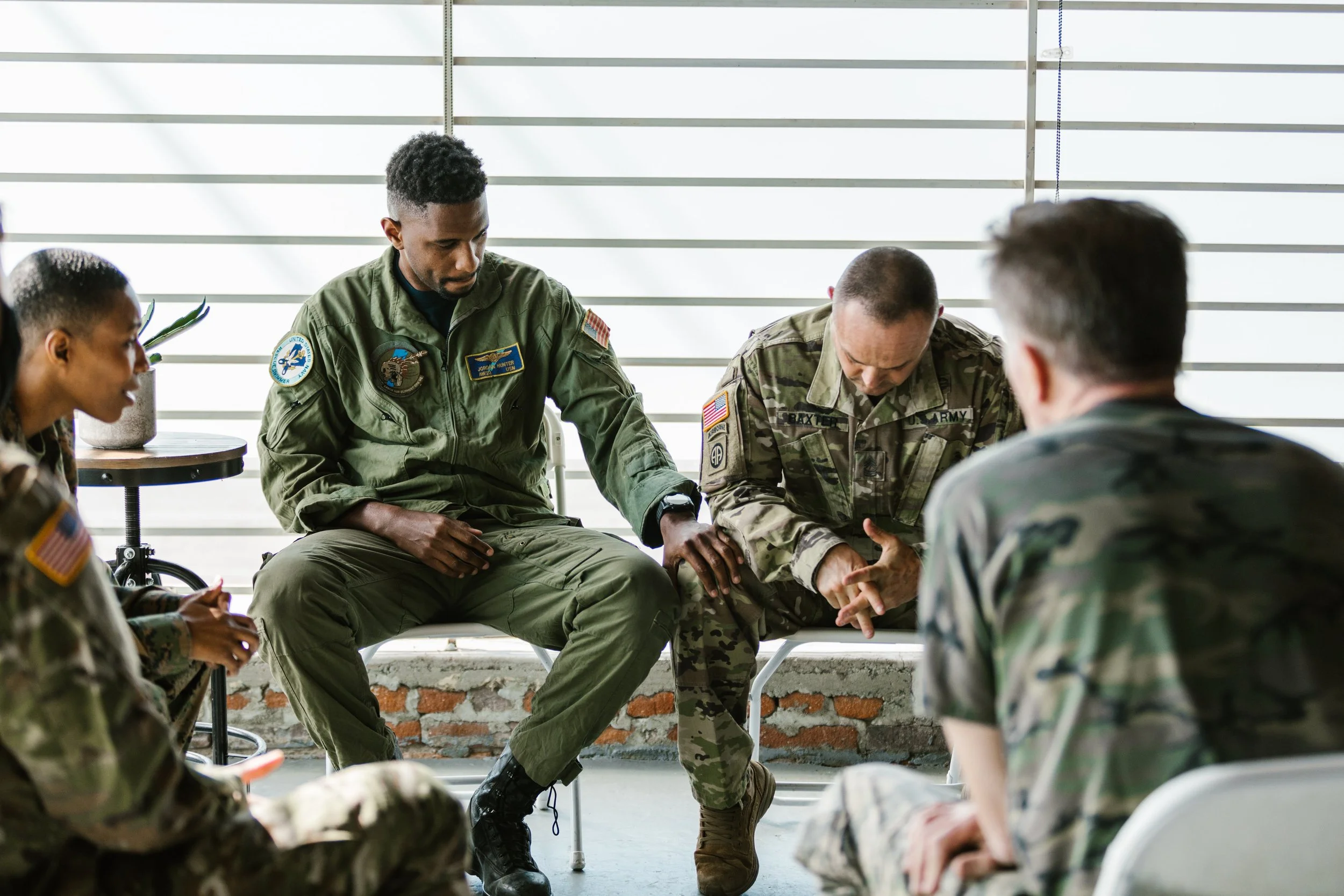
Peer-led discussion groups give veterans a chance to:
- Share experiences without fear of judgment
- Normalize struggles like PTSD, TBI, or transition stress
- Build trust and accountability in a safe environment
These groups can focus on:
- Mental health coping strategies
- Transition to civilian life
- Managing pain, sleep issues, or substance use
- Building routines and social connections
- Education and Awareness
Workshops and presentations can help:
- Reduce stigma around mental health
- Teach basic coping skills (e.g., grounding techniques, sleep hygiene)
- Introduce veterans to available resources like the Veterans Crisis Line and VA programs
- Caring Souls for Veterans might partner with licensed clinicians, mental health first aid trainers, or VA staff to co-facilitate sessions.
- Clear Crisis Information
Every program, flyer, and website should include:
- Veterans Crisis Line: Call or text 988, press 1
- Text: HELP to 838255
- Chat: VeteransCrisisLine.net/Chat
Making these resources visible and normalized helps reduce the fear of “jumping to crisis” and encourages earlier help-seeking.
- Integrated Support
- Mental health does not exist in isolation. Caring Souls for Veterans can:
- Coordinate with housing, employment, and legal support services
- Offer workshops that connect mental health with practical concerns (e.g., “Managing stress while applying for jobs”)
- Create pathways to formal care when needed, while maintaining ongoing peer and community support
—
A Message to Veterans and Their Families
If you are a veteran navigating mental health challenges, your experience is valid, and your struggles do not define your worth. Many veterans feel isolated or believe they must “handle it alone,” but healing is often a shared process. Connecting with peers, family, and supportive organizations can be a critical step toward recovery.
If you are a family member or friend, listening without judgment, encouraging small steps toward support, and offering consistent presence can be powerful. You do not need to be a therapist; you simply need to be there.